★★★★★
"We almost skipped it in favour of more time at the Alcázar. That would have been a mistake. The main courtyard is as beautiful as anything we saw in Seville — and there were maybe 15 other visitors the whole time we were there."
May 2025
Seville, Spain · Plaza de Pilatos
Where the Alcázar has queues around the block, Casa de Pilatos has empty courtyards and the same 500 years of history. Entry from €12. Free every Monday.
Built around 1483 by the Marquis of Tarifa and expanded over the next century, Casa de Pilatos is the finest example of Sevillian civil architecture still in private hands. The Medinaceli family — one of Spain's oldest noble houses — owns it to this day and opens it to visitors year-round.
The palace takes its peculiar name from a tradition linking the House of Pilate, where Jesus stood before Pontius Pilate, to a station on the city's historic Via Crucis procession. That odd biblical connection is one of many things about this place that guidebooks don't bother to explain.
Inside, you get three things the Alcázar doesn't give you: silence, because most tourists skip it; intimacy, because you can stand alone in the main courtyard and actually look at things; and a genuine Roman sculpture collection — 24 pieces brought back from Italy by the first Marquis in the 16th century — displayed exactly where he placed them.
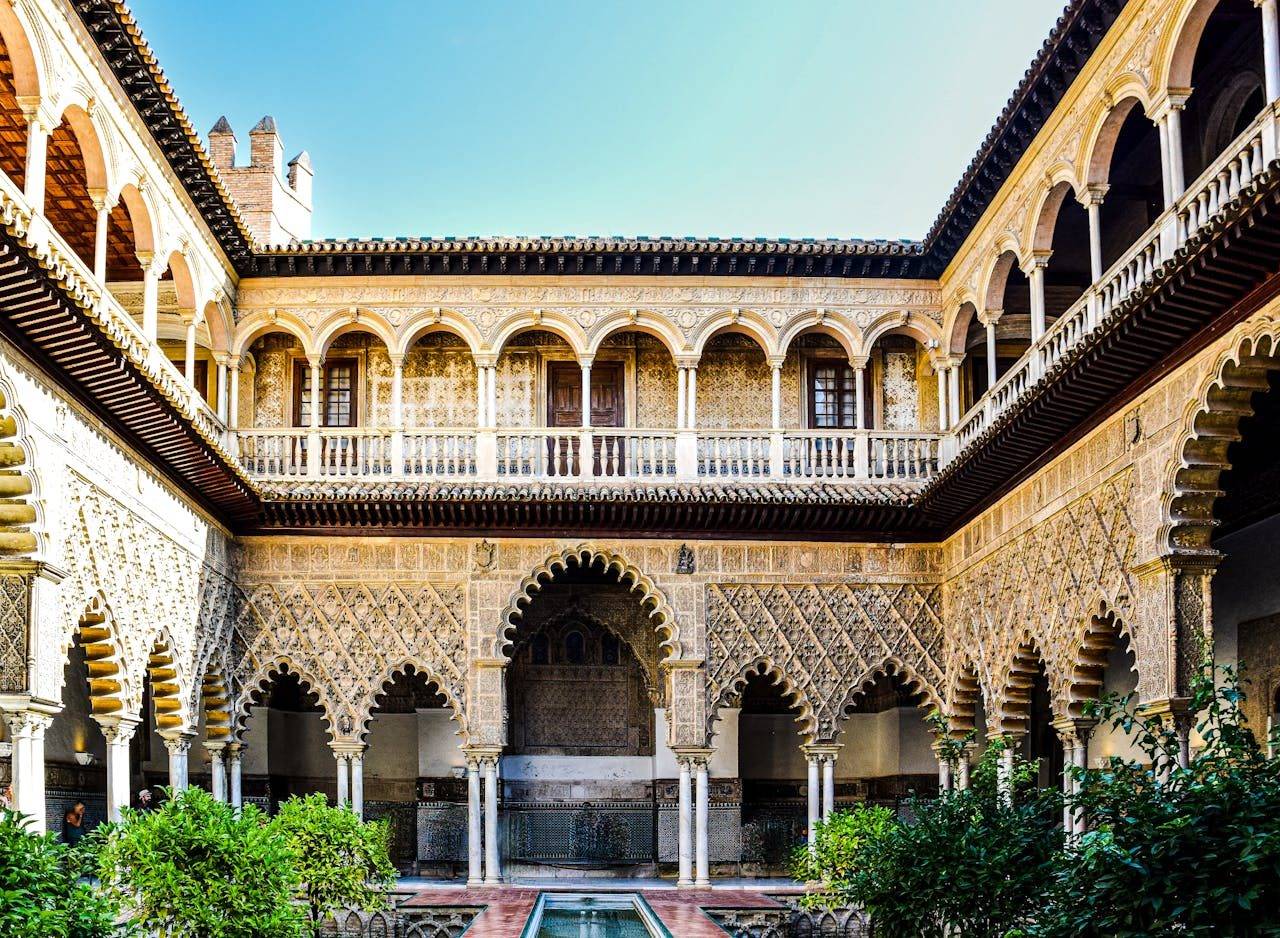
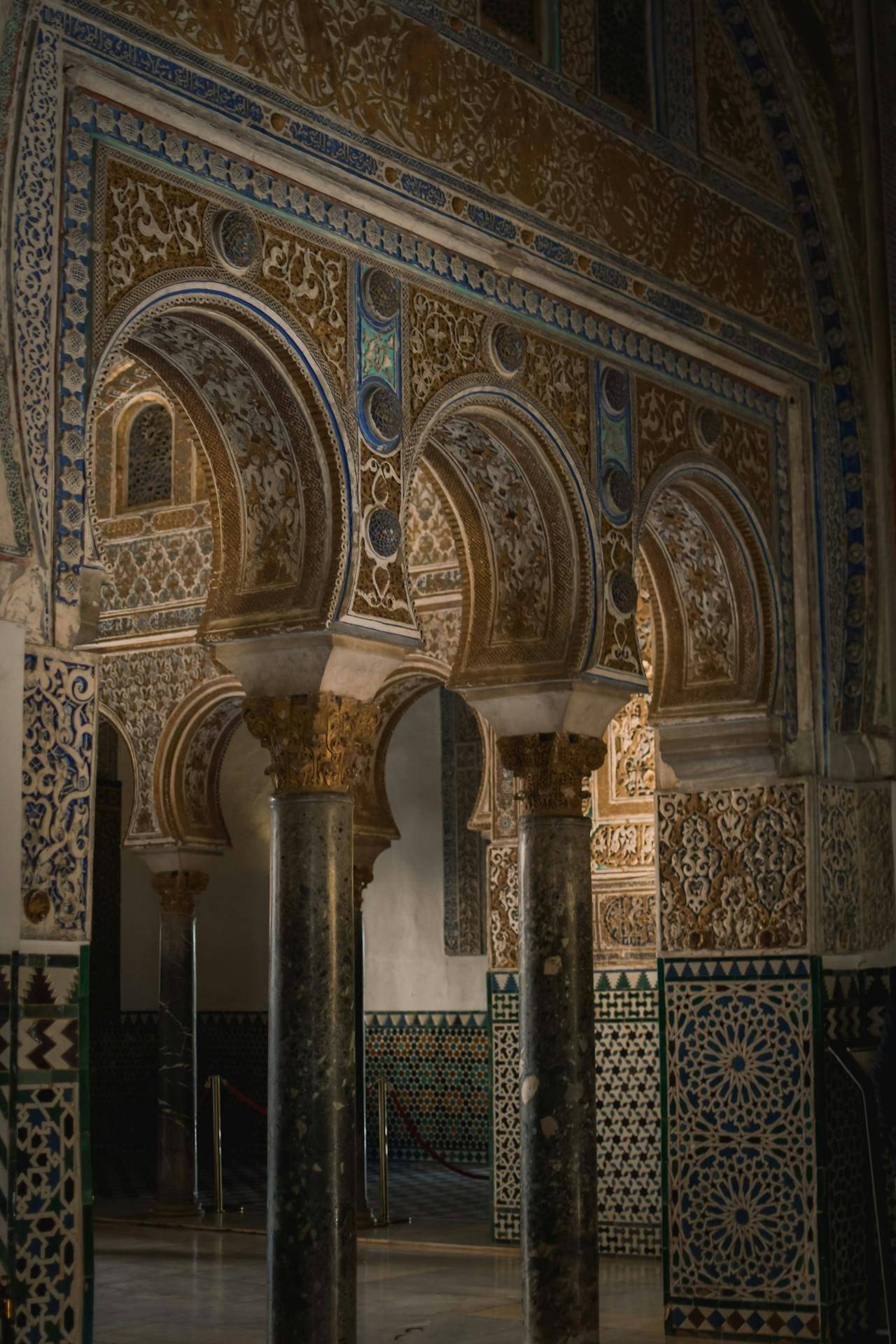
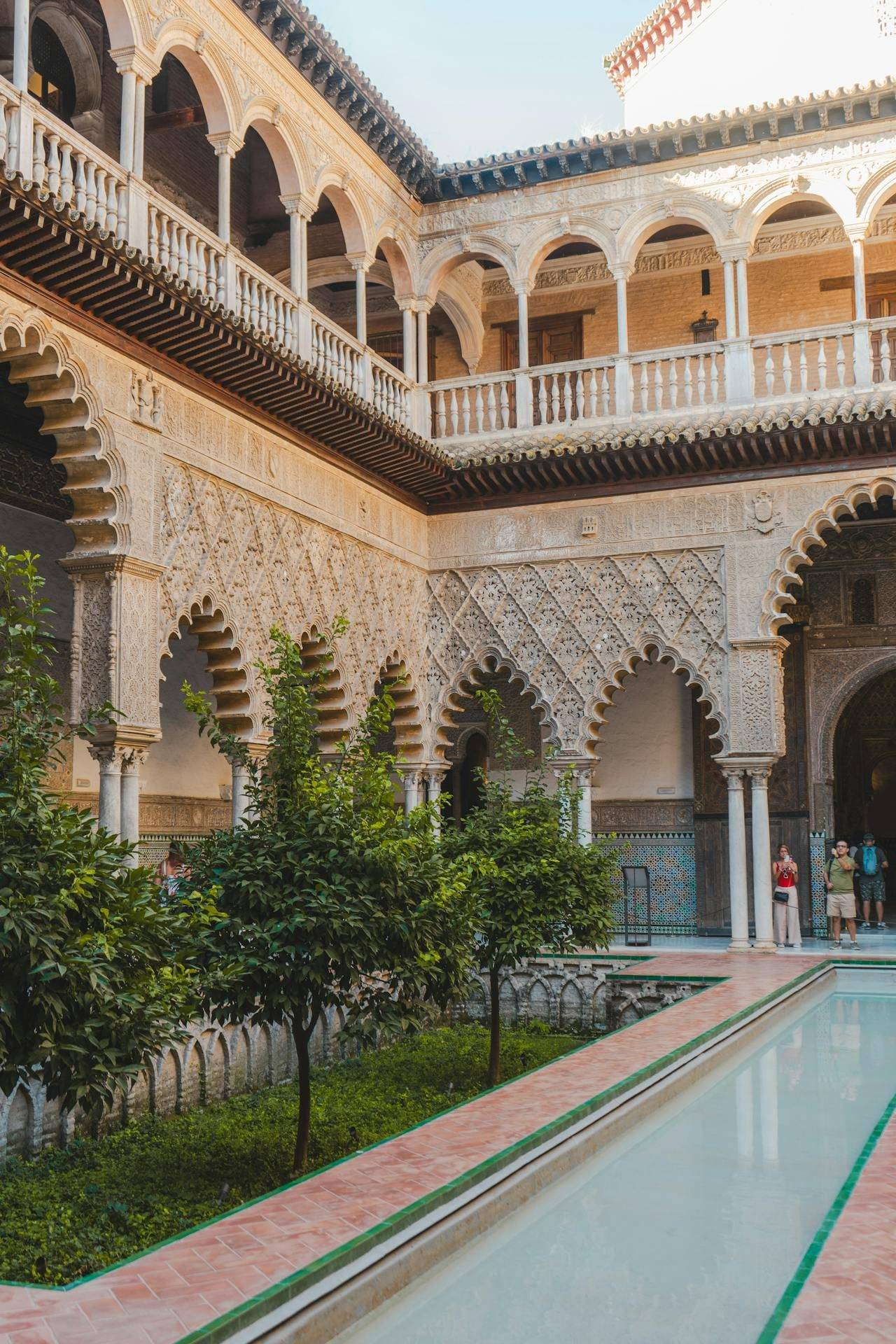
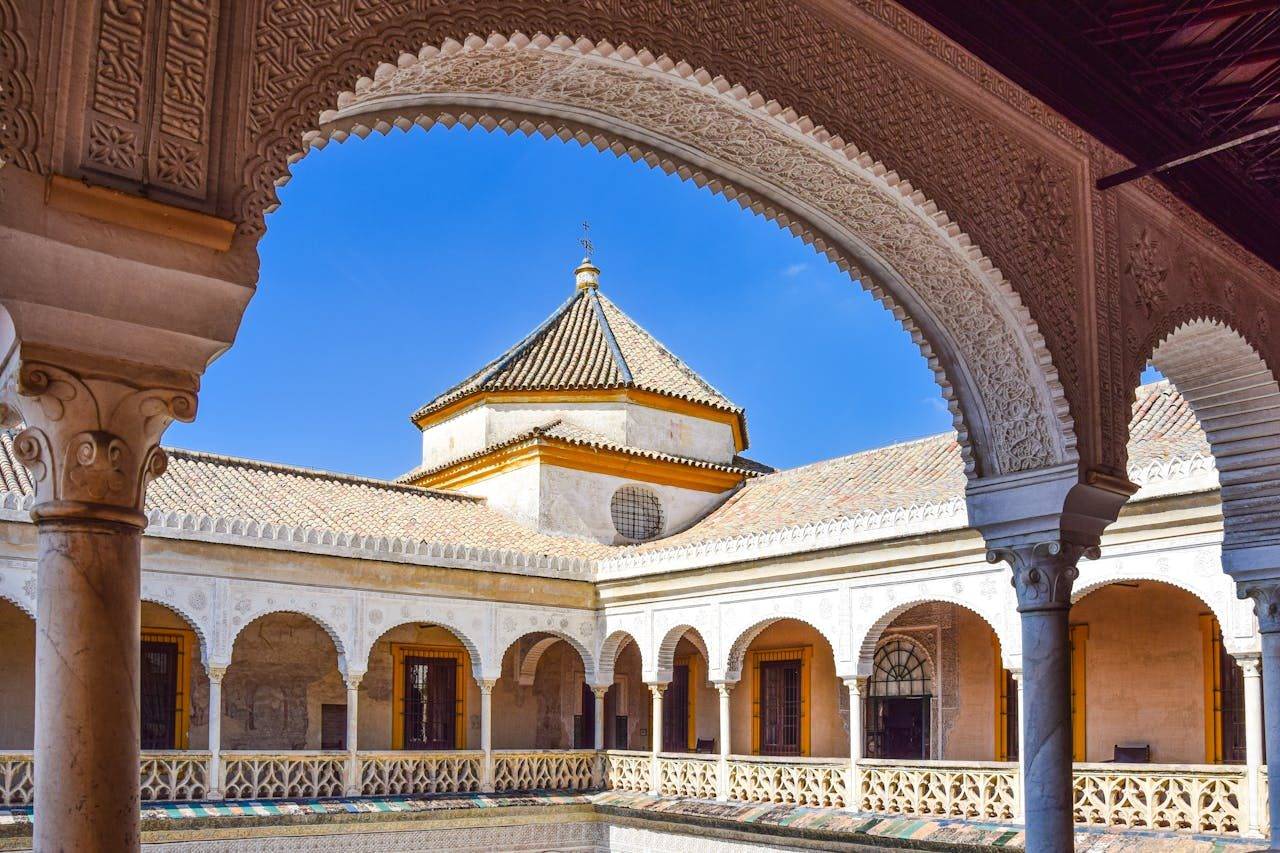
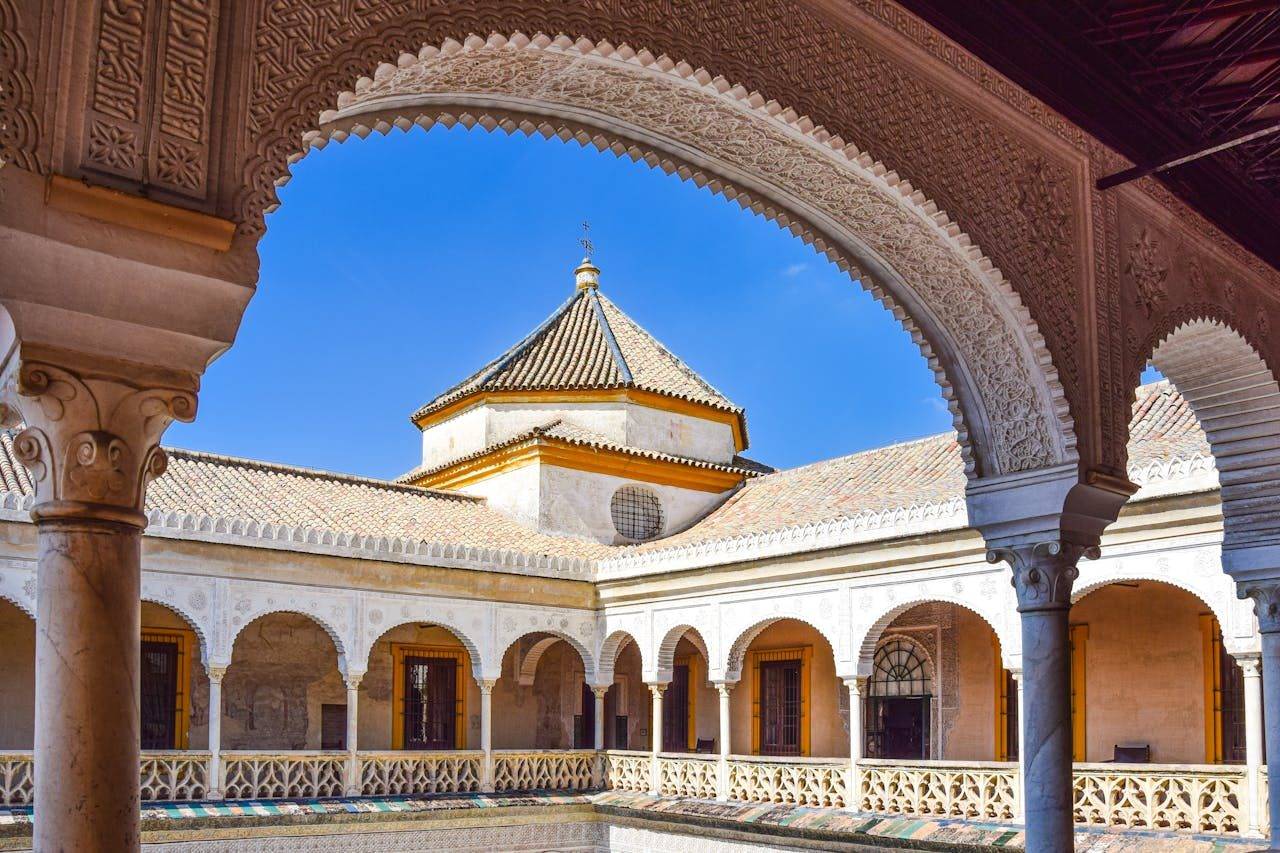
The centrepiece: a full Mudéjar patio with intricate plasterwork, horseshoe arches, and 72 classical busts in the upper gallery. Equal in craftsmanship to the Alcázar's Patio de las Doncellas — without the 45-minute queue.
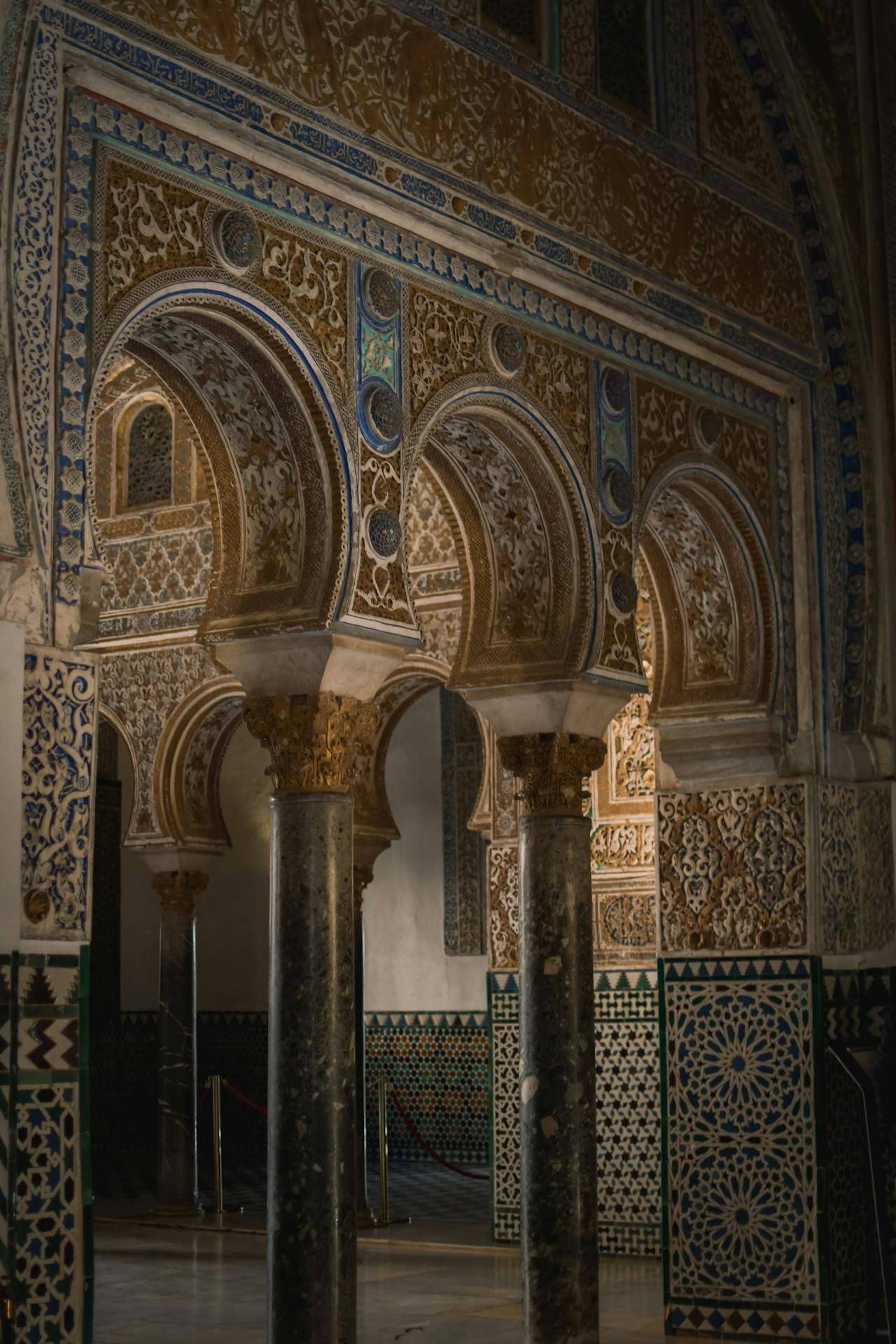
Don Fadrique brought 24 Roman sculptures back from Italy in 1520. They stand in the garden niches and corridors where he placed them — making this the most significant private Roman collection in Seville.
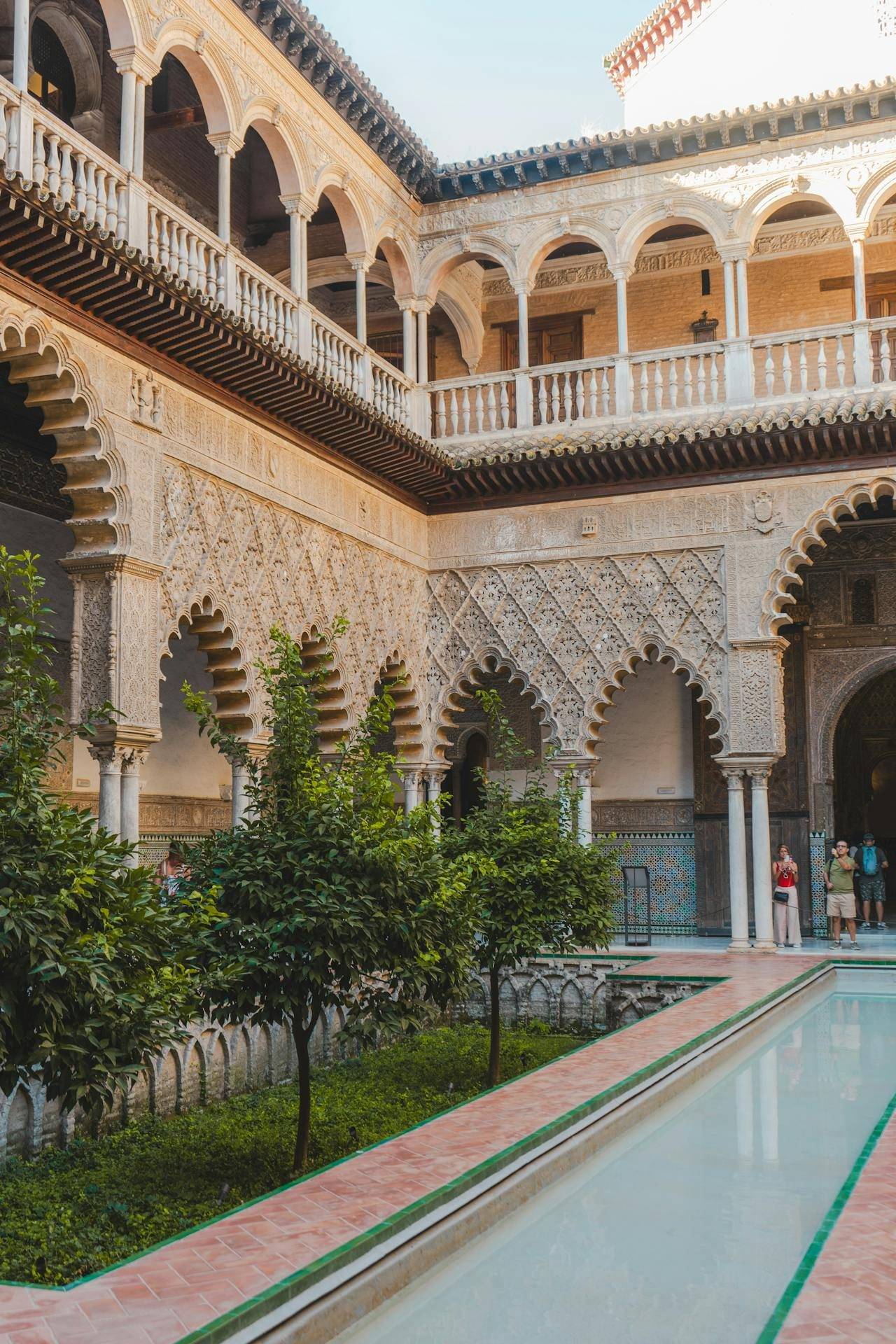
Three interconnected gardens with Renaissance fountains, orange trees, and sculpted topiary. The large garden was used as the Water Gardens of Dorne in Game of Thrones — recognisable immediately if you watched Season 5.
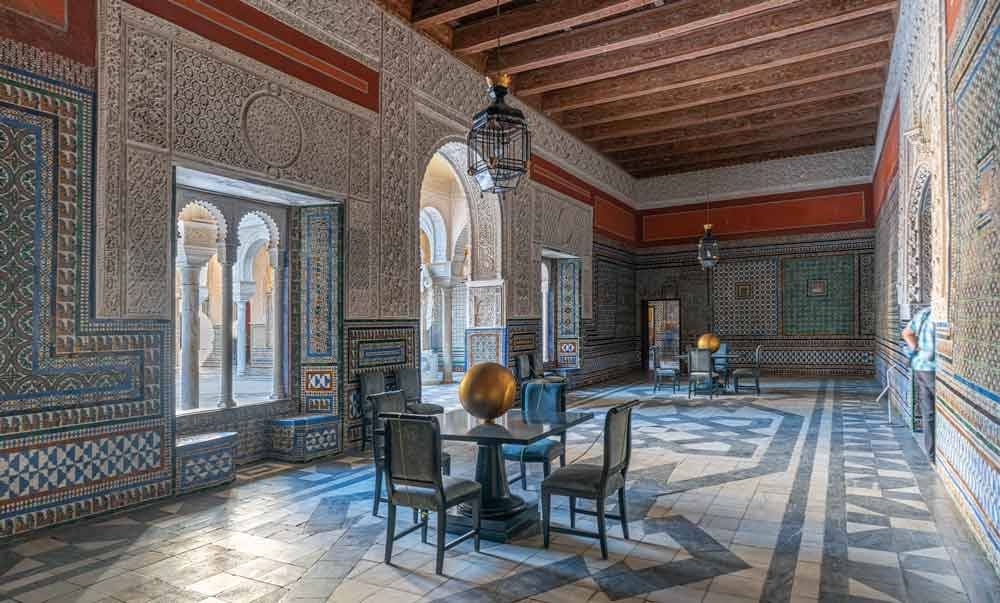
The family apartments — accessed only with the full €19 ticket or a guided tour — contain coffered ceilings painted in the 16th century, a chapel with original altarpiece, and a private archive room. Requires the €19 ticket or a guided tour.
Prices shown in USD. Free cancellation up to 24 hours before. Powered by GetYourGuide.
| What's Included | Ground Floor TicketFrom $14 | Guided Tour + Admission Best ValueFrom $29 | Premium Palace TourFrom $255 |
|---|---|---|---|
| Main courtyard access | ✓ | ✓ | ✓ |
| Roman sculpture garden | ✓ | ✓ | ✓ |
| Gardens (filming location) | ✓ | ✓ | ✓ |
| Audio guide (7 languages) | ✓ | ✓ | ✓ |
| Expert guide included | — | ✓ | ✓ |
| Upper floor apartments | — | ✓ | ✓ |
| Painted 16th-c. ceilings | — | ✓ | ✓ |
| Private chapel | — | ✓ | ✓ |
| Second palace included | — | — | ✓ Condesa de Lebrija |
| Free cancellation | ✓ 24 hrs | ✓ 24 hrs | ✓ 24 hrs |
| Best for | Budget visitors, repeat Seville travellers | First-time visitors who want the full story | Architecture enthusiasts, serious history travellers |
| Ready to book? | Buy Entry Ticket | Book Guided Tour | Book Premium Tour |
The palace's Mudéjar gardens and courtyards have doubled for locations across several centuries and continents. These are the most recognisable productions.
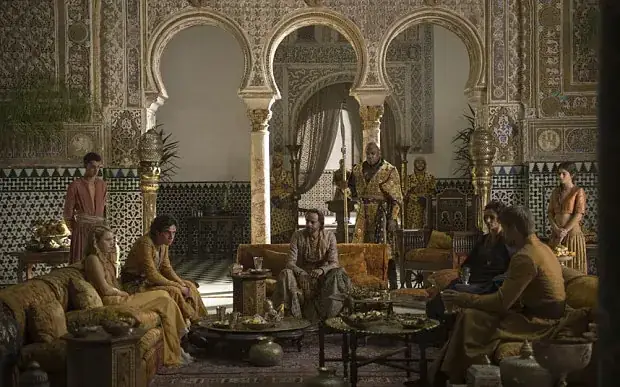 TV Series · 2015
Season 5 episodes brought the Water Gardens of Dorne to life in the palace's main garden and courtyard. Fans of the series will recognise the colonnades and fountain immediately — the production made no structural changes to the space.
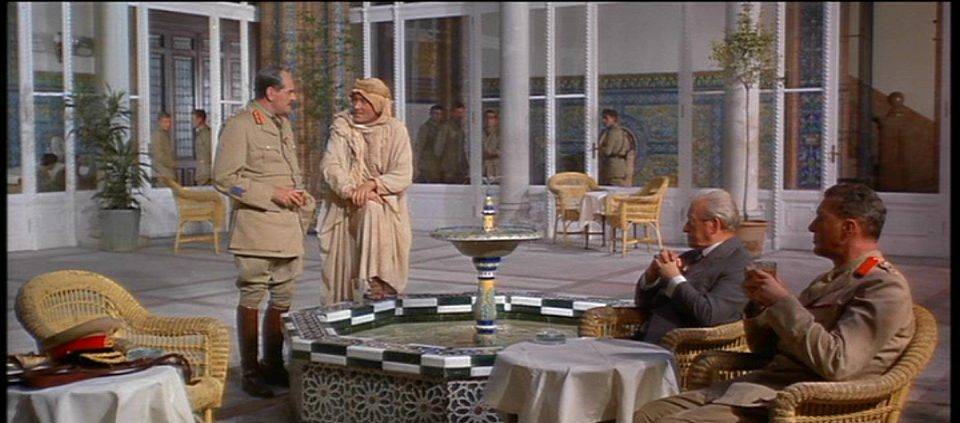 Film · 1962
David Lean used the palace's interior courtyards as stand-ins for Arabian interior spaces during the Seville production period. The Mudéjar tilework read credibly as Levantine architecture in the film's wider Middle Eastern sequences.
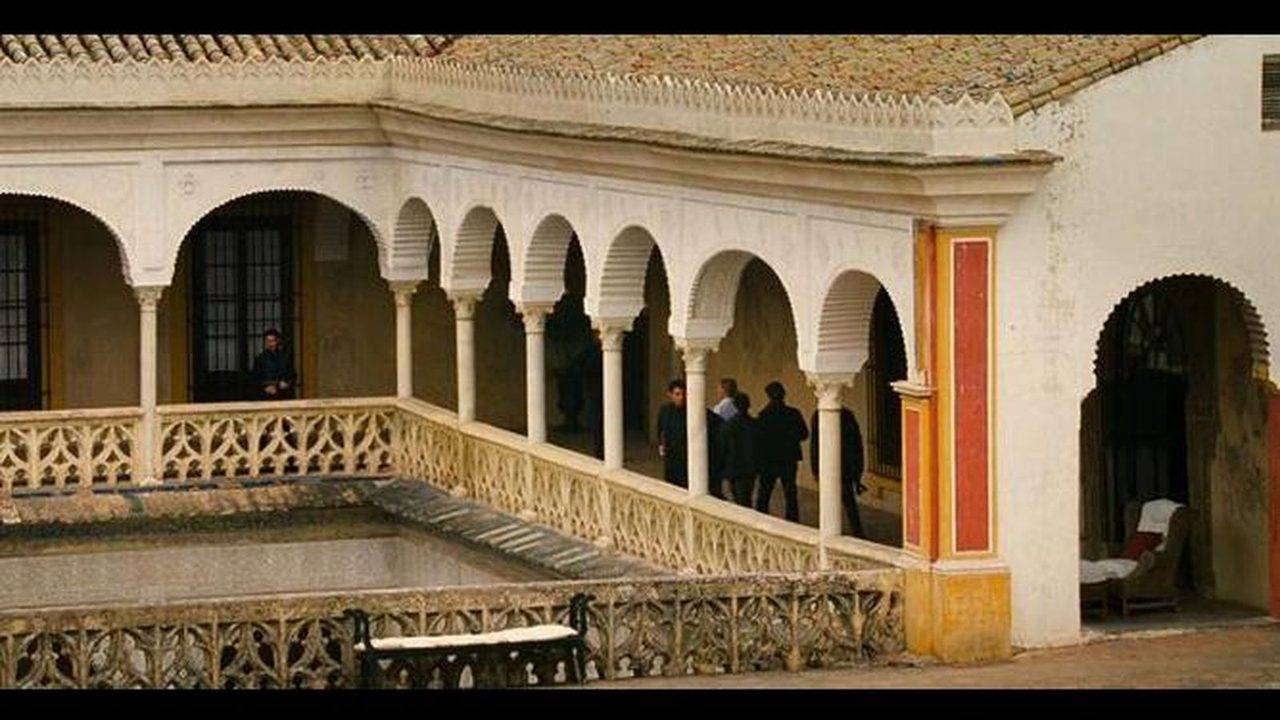 Film · 2010
The Tom Cruise and Cameron Diaz action film used the palace as a backdrop for chase sequences during the Seville portion of shooting. The upper-floor galleries and exterior gardens both appear on screen.
Arrive before 10:00 or after 16:00 to avoid the midday rush. The main courtyard faces south and fills with direct light in the afternoon — photography is best in the hour before closing. Summer mornings are cooler for exploring the gardens.
Monday afternoons from 13:00 to 19:00 are free for EU citizens with valid ID. Non-EU visitors pay standard admission on Mondays. No booking required for free entry — arrive at the ticket desk. Ground floor only during free hours.
Ground floor only: 45–90 minutes. Full palace with upper floor: 2–2.5 hours. Add 30 minutes if you plan to sit in the gardens. With a guided tour, allow the full stated duration — guides use the extra time well.
The ground floor covers everything at street level — the main courtyard, Roman sculptures, gardens, and decorative arts halls. The upper floor adds the family apartments, 16th-century painted ceilings, and private chapel. Worth the extra €7 for most visitors.
No dress code, but comfortable flat shoes matter: the tile floors are polished marble, and the cobbled garden paths are uneven. There is no requirement to cover shoulders or knees — this is a privately owned heritage site, not a religious building.
Photography is permitted throughout the palace for personal use. No flash in the upper floor galleries. Tripods require advance permission. The main courtyard (Patio Principal) is the most photographed space — early morning gives the cleanest light without other visitors in frame.
"We almost skipped it in favour of more time at the Alcázar. That would have been a mistake. The main courtyard is as beautiful as anything we saw in Seville — and there were maybe 15 other visitors the whole time we were there."
"The guided tour was worth every cent. Our guide explained the Game of Thrones filming locations, the Roman collection, and the family history in a way that made everything make sense. I understood what I was looking at."
"Went on a Monday afternoon — completely free. The audio guide is genuinely good, covers the tiles, the architecture, and the history without being tedious. Spent 90 minutes and wished I'd booked the upper floor too."
Opening hours, group bookings, or accessibility questions — we answer the ones the official site doesn't.
Contact Us →The full story: the family that still lives here, the legend behind the name, the architecture that defies categorisation, and what the audio guide doesn't bother to explain.
Everyone heads for the Alcázar. They stand in line under a sun that wants to cook them alive just to see where Game of Thrones was filmed. The Alcázar is stunning — but if you want to breathe and feel the soul of Andalusia without a selfie stick in your face, go to Casa de Pilatos instead.
Tucked into the San Esteban neighbourhood, it is the largest private residence in Seville. Most tourists walk straight past the plaza — maybe they glance at the statue — never realising that behind those plain walls sits a palace that rivals the royal residence. Smaller. Quieter. More concentrated.
Unlike most historic sites in Spain, Casa de Pilatos is still a home. The Dukes of Medinaceli — one of the oldest noble houses in the country — own it to this day and stay here. When you walk through the ground floor, you're in the "summer palace," designed to stay cool when Seville turns into a furnace.
Look up at the windows of the upper floor. You might see the shutters closed. Someone is upstairs while you're downstairs gawking at 500-year-old marble. That's not a museum exhibit. That's a living family.
In 1519, Don Fadrique Enríquez de Rivera returned from a pilgrimage to Jerusalem. He measured the distance from Pontius Pilate's house to Mount Calvary, then realised his own palace door to the Cruz del Campo shrine was exactly the same: 1,321 paces. He set up a Via Crucis with 14 stations starting at his chapel.
Locals started calling it "Pilate's House" and the name stuck. This route became the foundation for Seville's world-famous Holy Week processions. The local beer, Cruzcampo, takes its name from that same "Cross in the Field" where his route ended.
This building is a total architectural mutt. Late Gothic hangs out with Mudéjar (Moorish style under Christian rule), with massive splashes of Italian Renaissance dropped in. Pedro Enríquez and Catalina de Rivera started it; their son Fadrique brought the Italian ideas back.
It shouldn't work. Mixing pointed Gothic arches with Islamic geometry and Roman statues sounds like a disaster on paper. In reality it's spectacular — the evolution of Seville in one building, transitioning from medieval fortress to airy Renaissance intellectual.
The patio is the heart of the whole thing. Huge, perfectly symmetrical. 24 busts of Roman emperors look down from the gallery. The arches are covered in yesería — plasterwork so delicate it looks like lace, though it's actually carved stone and stucco.
In the centre: a fountain brought from Genoa, topped with a statue of Janus, the two-faced god of transitions — fitting for a house that exists between so many different worlds. Even with other visitors around, the sound of water against marble makes everything feel quiet.
If you care about tiles, this is your destination. Over 150 different azulejo designs cover more than 1,200 square metres of wall space. Made by the Pulido brothers in the 1530s using the cuenca ("basin") technique — wooden moulds pressed ridges into the clay, creating compartments that kept coloured glazes from bleeding.
The result is texture you can almost feel with your eyes. The colours are deep and vibrant — they haven't faded in five centuries. It is reputedly the largest collection of this type anywhere in the world.
Many of the statues here were salvaged from the ruins of Italica — the birthplace of the emperors Trajan and Hadrian, just outside Seville. The 2nd-century Athena in the corner is a Roman copy of a 5th-century BC Greek original. It's a bit strange to see classical faces staring out of a palace that looks so North African in its structure.
That was the point. The family was announcing: "We are cultured, we are wealthy, and we own pieces of the Roman Empire."
Don't skip the upstairs tour. The ground floor is summer residence; the upper floor is the winter palace — cozier, full of tapestries, with a serious art collection. You'll find a Goya bullfight painting and works by Luca Giordano.
The ceiling by Francisco Pacheco — the man who taught Velázquez — is "Apotheosis of Hercules," a masterpiece of Spanish Mannerism. No photography is allowed upstairs, but it's worth seeing simply to understand how the aristocracy lived in the 1600s. The Grand Staircase alone — the first monumental staircase in a private Seville home — is worth the ascent: a honeycomb media naranja cupola that looks like it's floating.
Head for the gardens first — everyone else faffs with the audio guides in the first room. Use a wide-angle lens; the courtyards are hard to fit in standard phone frames. No photos on the upper floor guided tour, so get your fill below.
EU citizens get in free on Mondays 13:00–19:00 with valid ID. Only a limited number of people admitted, so arrive at least 30 minutes early. Ground floor only during free hours.
Don't rush back to the Cathedral area. The Church of San Esteban is right next door. On the side streets, tiny bakeries sell almond cookies through a wooden turnstile — look for "Venta de Dulces." Walk toward Calle Águilas and wander.
The Alcázar is grander and UNESCO-listed. Pilatos is more intimate, less crowded, and in some sections more concentrated. The Alcázar feels like a monument; Pilatos feels like a home. Visit both. But if you only have one afternoon — Pilatos.
Book your entry ticket or guided tour now — free cancellation up to 24 hours before.